My Inspiration

It’s very healthy as a creator to find several sources of inspiration for when you might need a hand with your next big idea. I draw my inspiration for my photographs from numerous art forms. Today, I would like to share some of what I have found to be the most inspirational pieces for me with you.

Paintings:

Paintings like Van Gogh’s Starry Night and several of Piet Mondrian’s Compositions and Tableaus (both series) are fascinating to me. I enjoy getting lost in the colours and shapes within the images and dreaming of how I can bring such impact into my work.
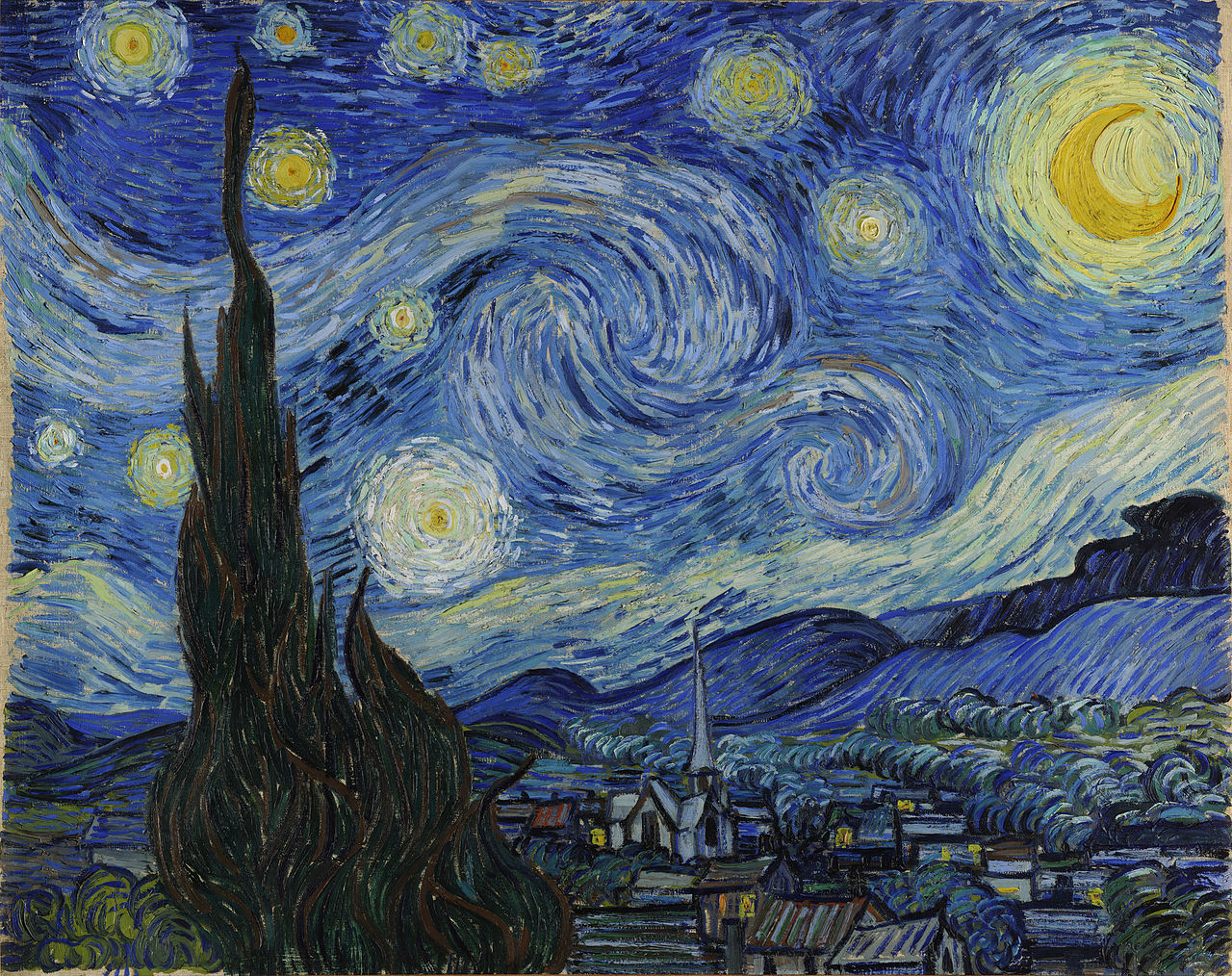
Van Gogh's Starry Night, 1889, part of the permanent collection of New York City's Museum of Modern Art

Van Gogh's Starry Night, 1889, part of the permanent collection of New York City's Museum of Modern Art

Piet Mondrian's Composition II in Red, Blue, and Yellow, 1930, 

Piet Mondrian's Composition II in Red, Blue, and Yellow, 1930, 

Film:

Whenever I watch a movie, I will often pay more attention to elements that make up the visuals of the film than the plot. How each shot is composed, the actors’ expressions, and the elements of the set are what I primarily observe. The attention to detail brought into each piece and scene help to make me conscious of how I set up each shot I take as a photographer.
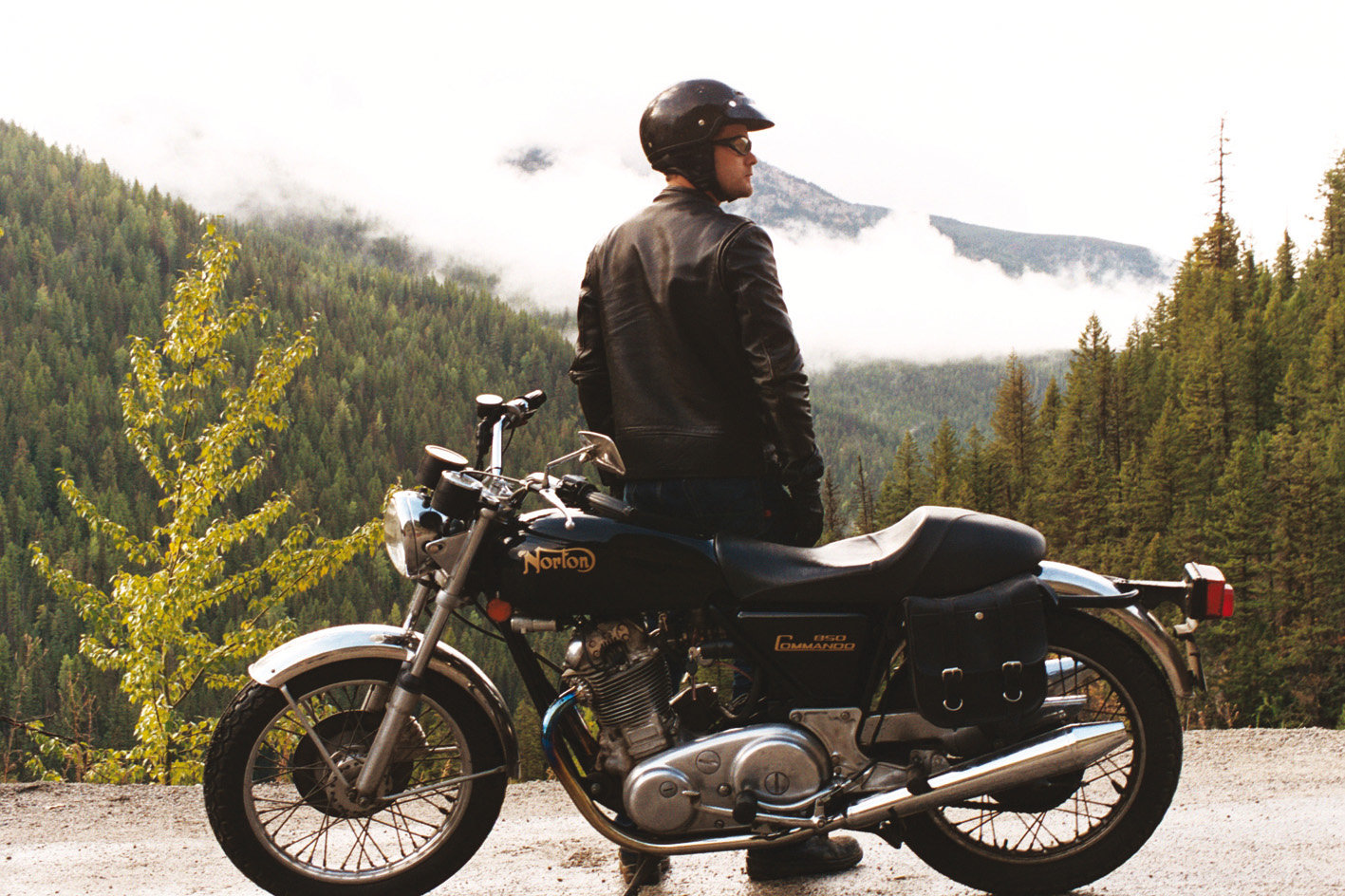
A still from the movie One Week, a 2008 Canadian film directed by Michael McGowan

A still from the movie One Week, a 2008 Canadian film directed by Michael McGowan

Comic Books:

Each scene and frame within a comic book is carefully calculated and composed. The framing has to make sense with the story while still being compelling and artful. Drawing inspiration from comic books helps me to slow down and look at my own framing and composition within my work and critically analyze if suites the photograph.
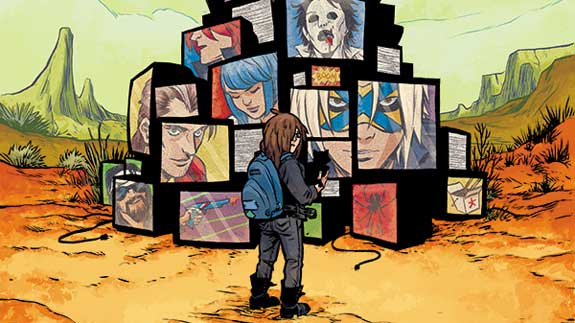
Artwork from The True Lives of the Fabulous Killjoys, 2013, Dark Horse Comics, written by Gerard Way and Shaun Simon, artwork by Becky Cloonan

Artwork from The True Lives of the Fabulous Killjoys, 2013, Dark Horse Comics, written by Gerard Way and Shaun Simon, artwork by Becky Cloonan

Music: 

For me, music is one of my key areas of inspiration. The lyrics, rhythms, and music videos all have several creative elements that can be used anywhere from the conception of the photograph to it’s visual appearance.

Some of the various albums I have added to my library in the past months.

Some of the various albums I have added to my library in the past months.

Magazines: 

Magazines are an incredible source of news and information, as well as inspiration. Photography magazines such as PhotoEd give me ideas for lighting and themes, and contemporary art magazines such as Hi-Fructose provide artistic inspiration.
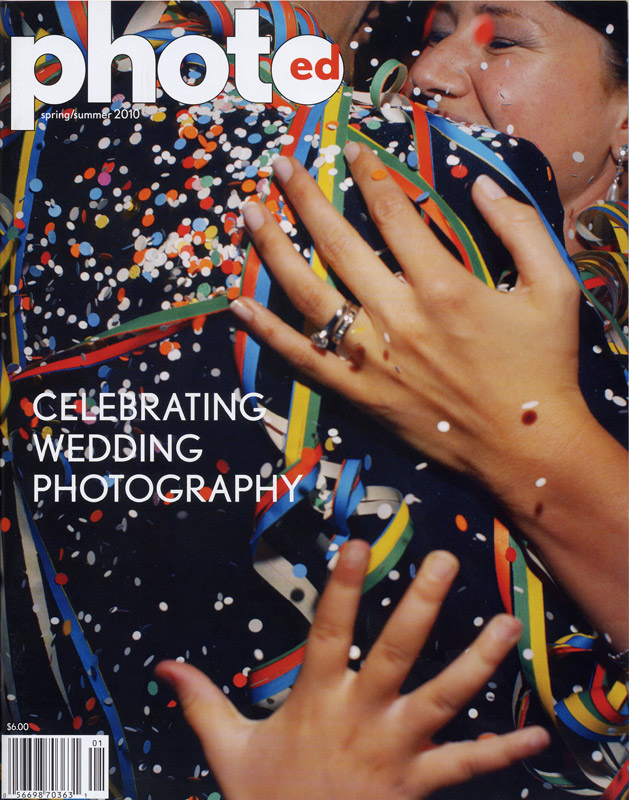
A past cover of PhotoEd Magazine

A past cover of PhotoEd Magazine

A past cover of Hi-Fructose Magazine

A past cover of Hi-Fructose Magazine

My Clients:

Yes, even my clients give me inspiration! Their energy, their vision, it all empowers me to create beautiful images they will love! I love it when clients approach me with ideas they have or even show me work from other photographers that they enjoy. It helps to keep us on the same page so that we are both working towards the same image.

So there you have it! My inspirations for my photography. Stay tuned for more blog posts.

Have a wonderful day!

My Editing Process

Just as every photographer has a preferred system for how they approach a shoot, each photographer also has a system for processing their images. My favourite editing process involves three steps (albeit with many “substeps”):

1. Capture One Pro

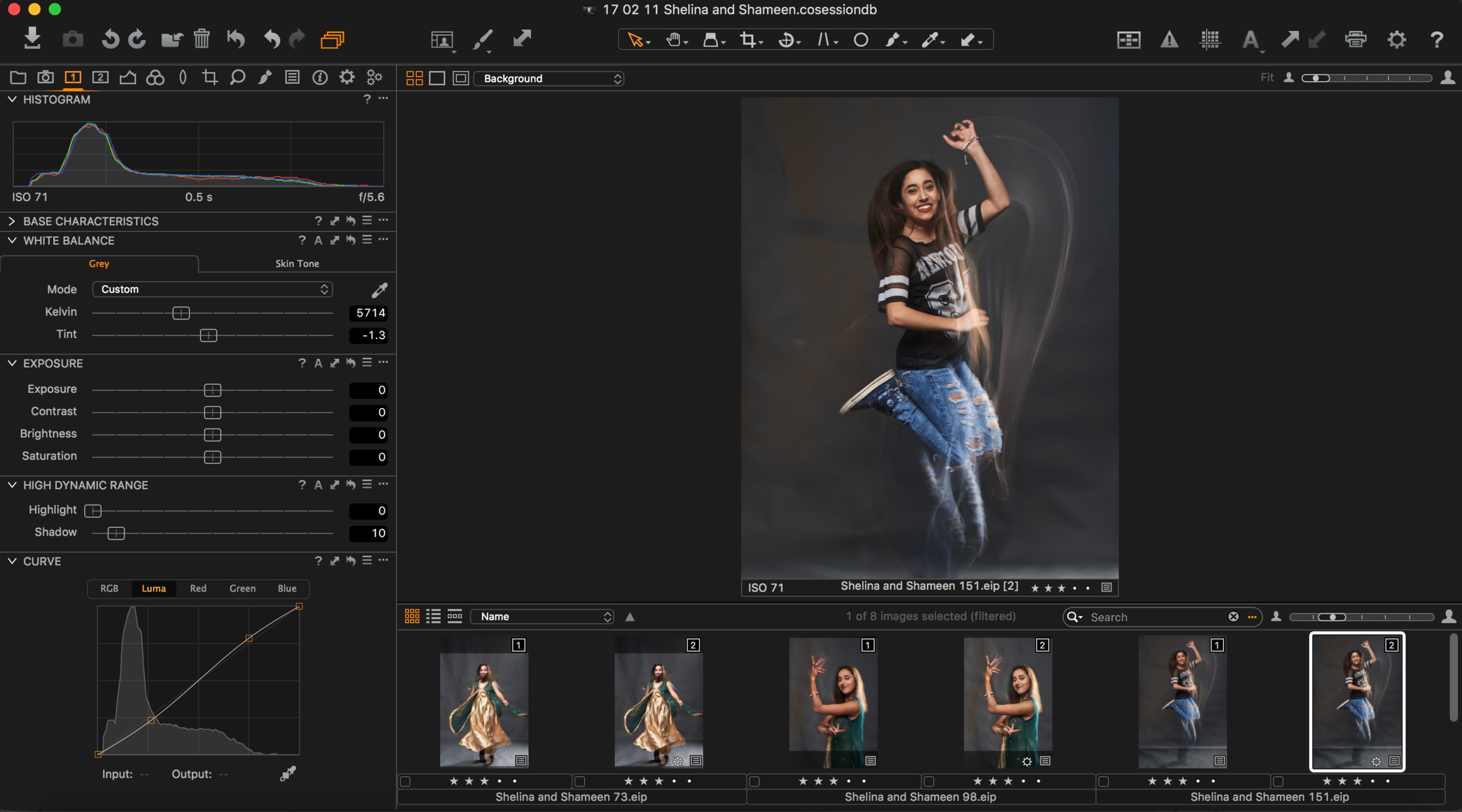
I always shoot with RAW images as it gives me the most data to play with while editing. Capture One Pro is my preferred software for taking care of these photos. In this software, I import, organize, then select my favourite photographs from the photo shoot. From there the photos are adjusted for exposure, lens aberrations, and any other minor needed adjustments before being exported to Photoshop.

2. Photoshop
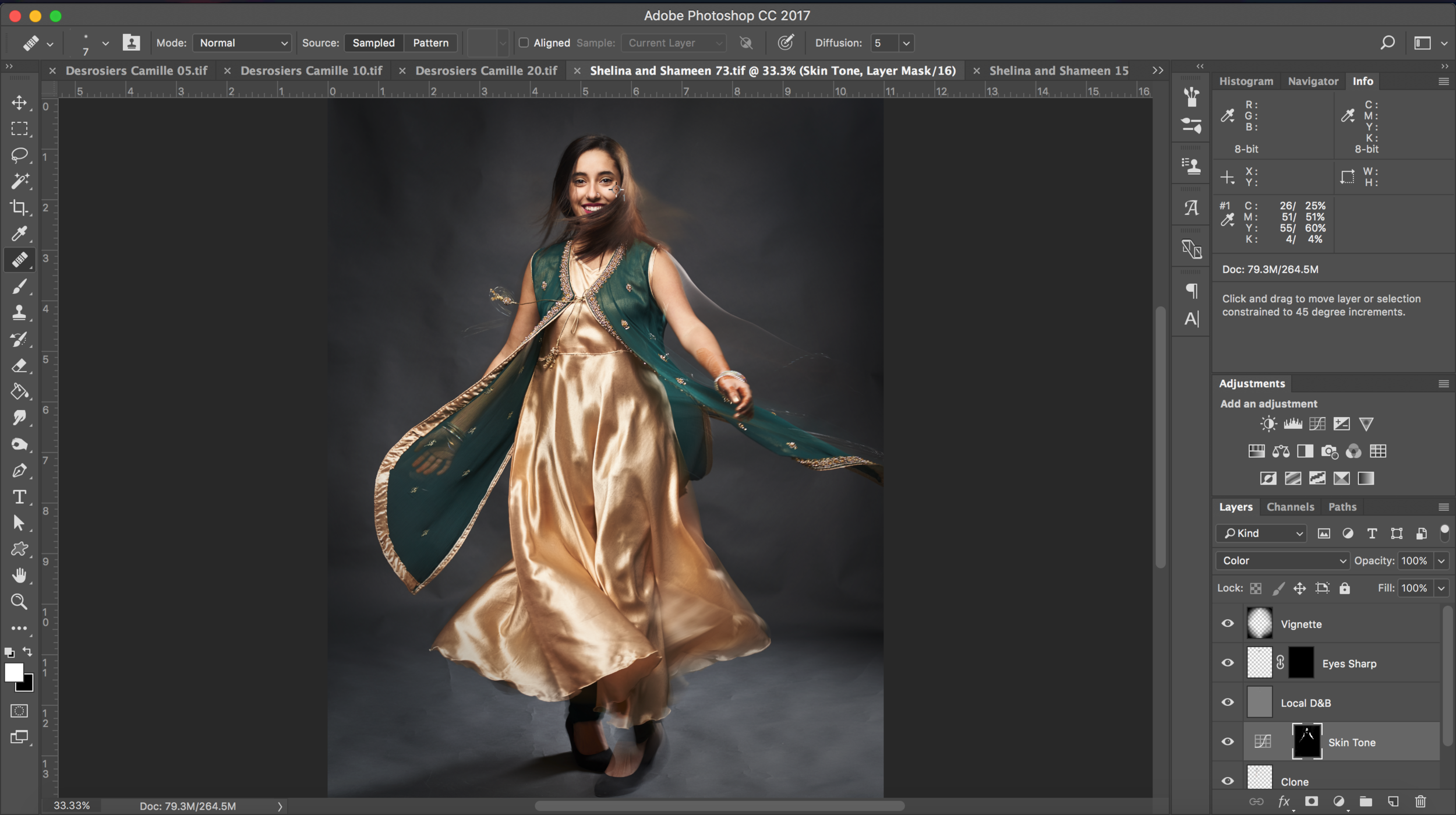
Believe it or not, this is the (long) final stretch of my photo creating process! My Photoshop work typically consists of “cloning” out any blemishes, evening out skin tone, and selective and global contrast. If desired, I’ll even put in some creative elements, adjusting the colour, maybe adding a vignette, or playing around with any effects or filters. This leads us to my last step.

3. Export, Deliver, and Enjoy!

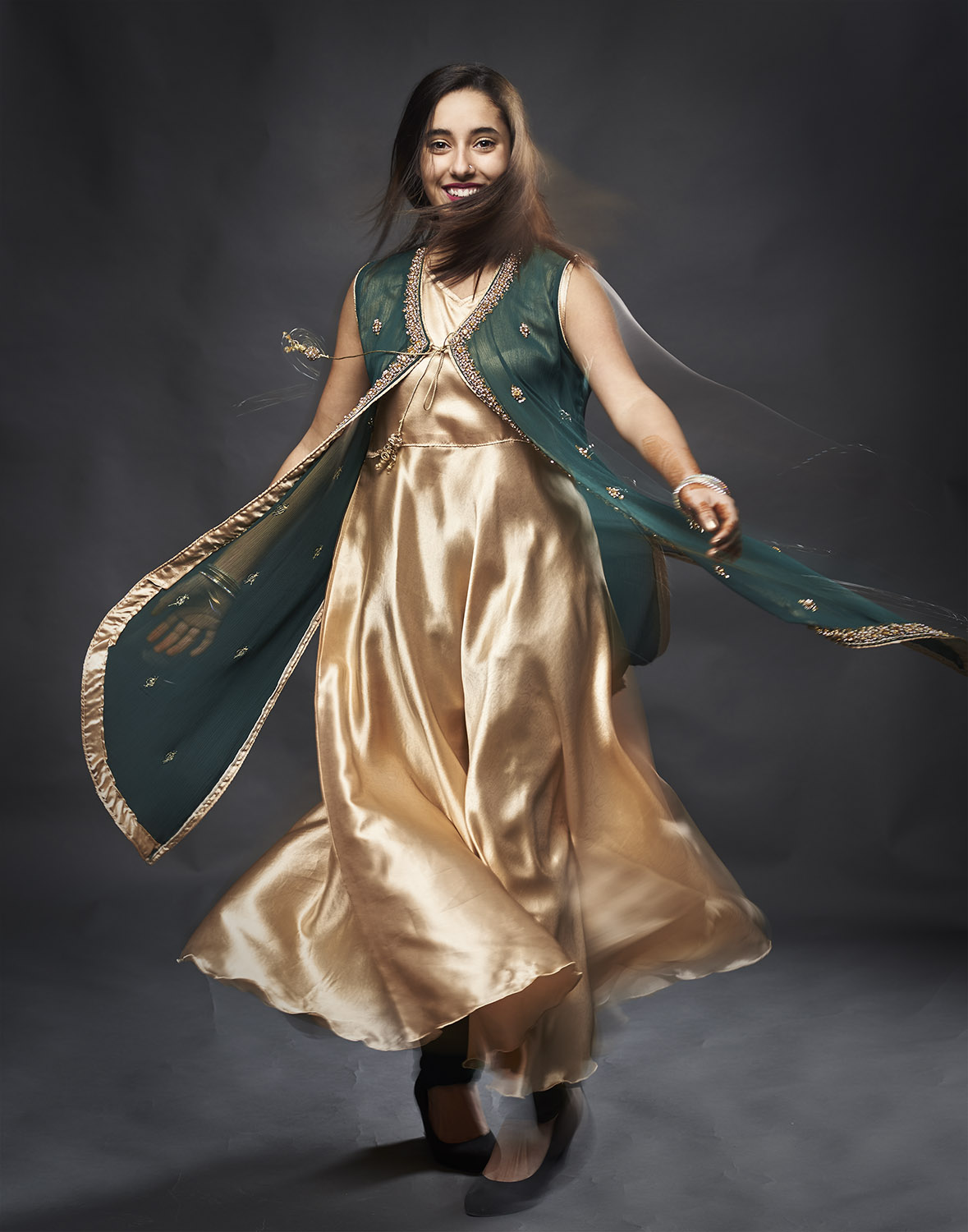
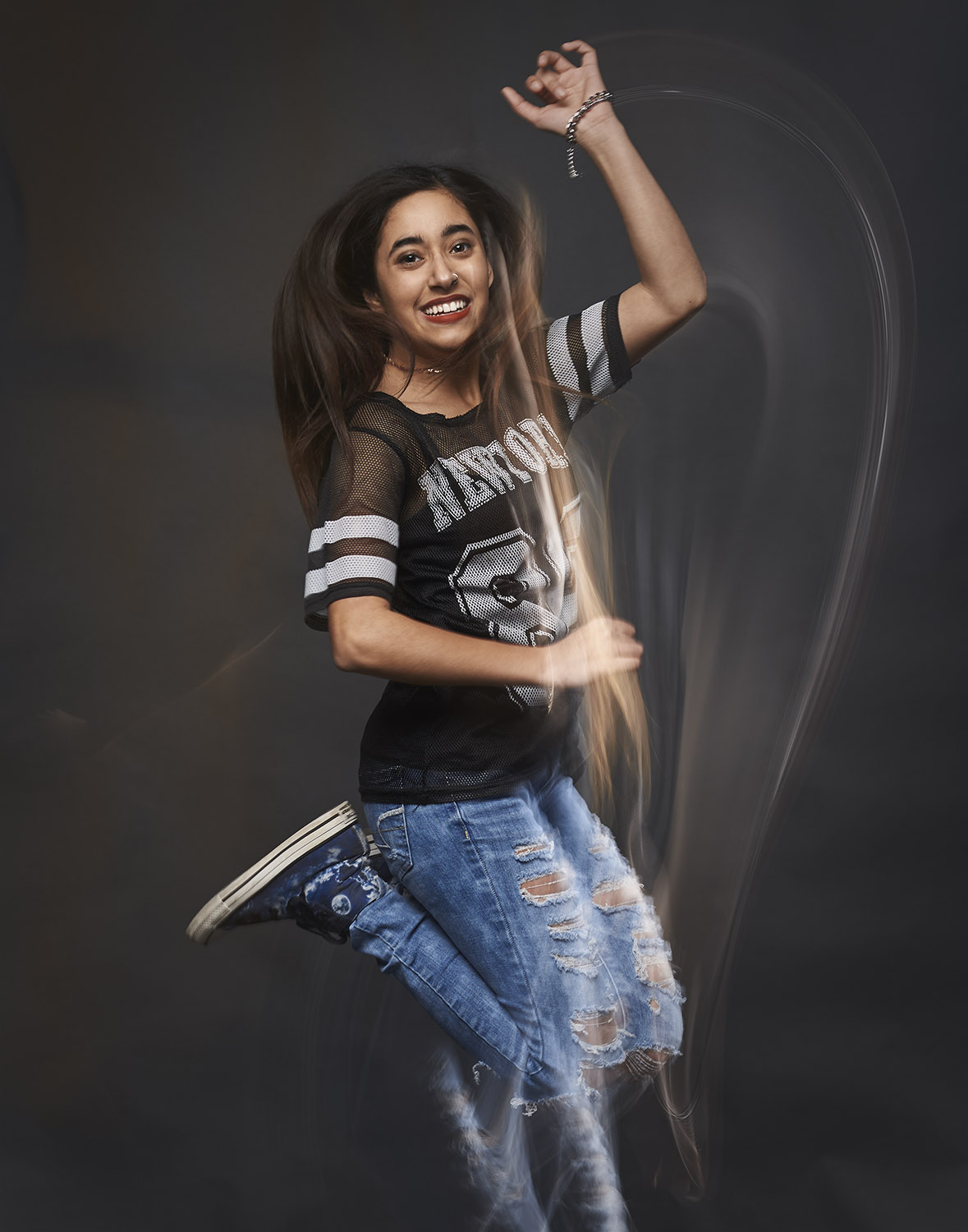
 At this point, the photos are ready to be shared with the world! I export them at a low resolution for saving on the web and a high resolution for printing. The photos are then shared with my clients through either DropBox or a USB, and we all get to enjoy the images!

This process does vary from shoot to shoot and client to client depending on any requirements. Not every shoot is the same, so they don’t always need to be processed in the same way.

Thank you for following me along on this journey through my work flow!

Have a wonderful day!

My Photo Shoot Process

Every photographer has a system for how they approach a shoot. I am not exempt from this. Every single shoot that I do follows the same setup order, shooting process, and teardown. It’s a systematic process that helps me keep a shoot on track so I can focus on the task at hand and how to make it as enjoyable as process. Here are my steps to a perfect shoot.

1. Getting Gear in Order

Gif 1 - Gear.gif

 I always plan the gear I need for a shoot at least a week in advance (preferably two or more weeks). A few lenses, lighting gear, and a tripod and I’m good to go!


2. Lighting Setup

Next up is the lights. The setup and the ratio is planned days in advance so that setup is quick the day of the shoot.


3. Computer and Camera

I tether my camera to my laptop using a program called Capture One Pro whenever I’m shooting in studio. It’s convenient way to see my shots and progress immediately.


4. The Shoot

Now is the fun part! I bring my models on set and start photographing. I like to pose my models based on movements and positions that they are most comfortable in. If the model moves or sits in a way that I like, I will have them repeat it, with a few added tweaks to their stance (chin up, turn your head this way, etc.).


5. Keep Shooting!

I find that as the shoot keeps going, it gets more fun! The models get more comfortable, and I get more shots that we will both be happy with.


6. Thank the Client, Pack Up, and Go Home to Edit!

 And now is the beautiful time to see the fruits of my labour! The editing process typically starts the moment I get home from a shoot. It is so rewarding to see all the hard work put into a shoot.

Stay tuned to learn about my editing process next!

Have a wonderful day!